
RICH GAMES / CHOOSING A GAME
Turn-based games in Telegram: what to play with a friend and how to set the pace
Compare text-only chat games, bot-managed boards and truly asynchronous play. Practical choices for friends and couples, with clear time-limit expectations.

“Let’s play something” sounds simple until one person is free now and the other replies once an hour. When playing over messages, the rules are only half the decision. Agree on a pace first, then choose words, pieces or hidden ships.
Three different experiences get called chat games
One option uses ordinary messages: you name words, ask questions and keep track of turns yourselves. Another uses a bot to manage a board, legal actions and the result. A third offers asynchronous play with a long allowance for each move. These can overlap, but appearing in a messaging app does not automatically give a game unlimited waiting time.
Even traditional correspondence chess has time controls. US Chess rules, for example, describe several options, including a specified number of days per move. “Turn-based” alone therefore tells you very little about how long a pause is allowed. Before inviting a friend, check the reply window, when the match starts and what happens if somebody leaves. 1
Games you can play without adding a bot
For a simple game, agree on a few rules and start typing. In Twenty Questions, one person thinks of something and the other asks up to twenty yes-or-no questions before trying to identify it. Decide whether people and fictional objects are allowed. A small clarification at the beginning is easier than a disagreement over an answer at the end.
A word chain is another option: each new word begins with the last usable letter of the previous word. Narrow the theme to places or animals, ban repeats and decide what to do with awkward endings. Alternatively, write a story one sentence at a time. You do not have to choose a winner; the point can be making a surprising story together rather than testing each other’s vocabulary.
These formats work with infrequent replies because messages preserve the sequence and you can agree to have no timer. The tradeoff is that you manage ambiguous answers and rule disputes yourselves. If you would prefer a clear position, enforced legal moves and an unambiguous ending, a bot-managed board may be more comfortable.
Match the board game to the conversation
Tic-tac-toe offers an easy introduction to board controls, though changing the board size changes the game. Connect4 rewards noticing threats while remembering that pieces fall to the bottom. Battleship adds hidden information, so the conversation takes a different shape: you make inferences about a position you cannot fully see rather than inspect one shared board.
Reversi is interesting because the current piece count is not the final result; available moves and stable positions matter. Mancala invites you to count how stones travel and look for an extra turn. Chess and checkers need more shared familiarity with their rules. For a first game, choose something both people recognise. Learning a complicated new system can take over the conversation.
| Your situation | A useful format | Agree on |
|---|---|---|
| Replies hours apart | Word chain or shared story | Theme, repeats and reply length |
| Both currently in the chat | Tic-tac-toe or Connect4 | Board size and readiness to start |
| You enjoy hidden information | Battleship | Placement rules and pace |
| You want positional decisions | Reversi, Mancala or chess | Rule familiarity and time per move |
The pace supported by Rich Games
Rich Games offers play-with-a-friend modes in several board games. The bot displays the board and processes moves, so you do not have to copy coordinates after every action. Telegram officially supports button-based interaction with bots. The particular board interface and waiting rules are decisions made by the game developer, rather than a universal Telegram rule. 2
In the shared Rich Games PvP system, an invitation remains available for 24 hours. Once the match starts, if the opponent has not acted for 30 minutes, the waiting player can claim a win on time. This is a claim the player can make, not a promise that every match ends automatically at the thirty-minute mark. Choose this format when both of you can play with reasonably short pauses.
For “one move before work, another this evening,” choose a text game without a timer or a service that explicitly offers days per move. Do not treat a Rich Games invitation as a promise of completely unrestricted asynchronous play. Check the game conditions and any stake before confirming in the bot; for a first introduction, select a no-stake option when offered.
Three agreements that matter more than a rating
First, ask whether now is a good time to start. Second, decide whether hints and move discussion are welcome: a teaching game and a competitive game are different activities. Third, agree on how to finish if someone needs to leave. Saying “I cannot continue” is kinder than making the other person guess whether they are still waiting for a move.
For friends or couples with different skill levels, change the goal if that helps. A beginner can explain a plan, and an experienced player can discuss one key decision afterwards. In a word game, choose a subject both people know. Agreeing a pace should support your conversation rather than create another obligation.
A practical first game
If only you are free, send a short text riddle. If your friend is already chatting, open a familiar board game and play one match. Decide on a rematch afterwards. One completed game will reveal more about your shared preferences than an enormous list of suggestions.
Sources and further reading
Try a game, learn the rules







 With a friend
Tic-tac-toe strategy: forks on small and large boards
Learn immediate wins, fork defence and the differences between 3×3, 5×5 and 7×7 tic-tac-toe in Rich Games.
Read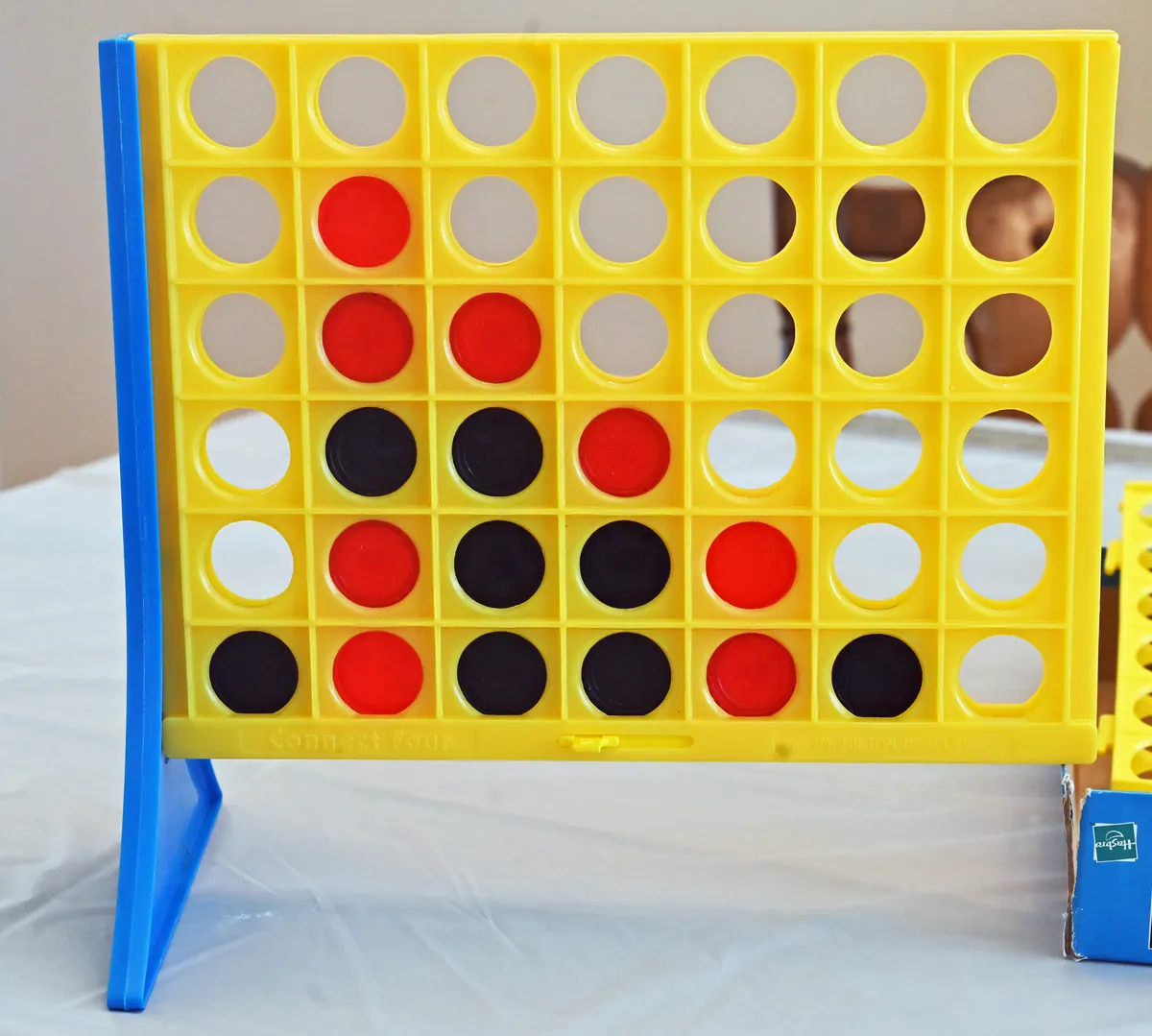 With a friend
How to win at Four in a Row: gravity and double threats
Learn the 7×6 Connect Four rules, the story behind its vertical board and a worked example of two simultaneous winning threats.
Read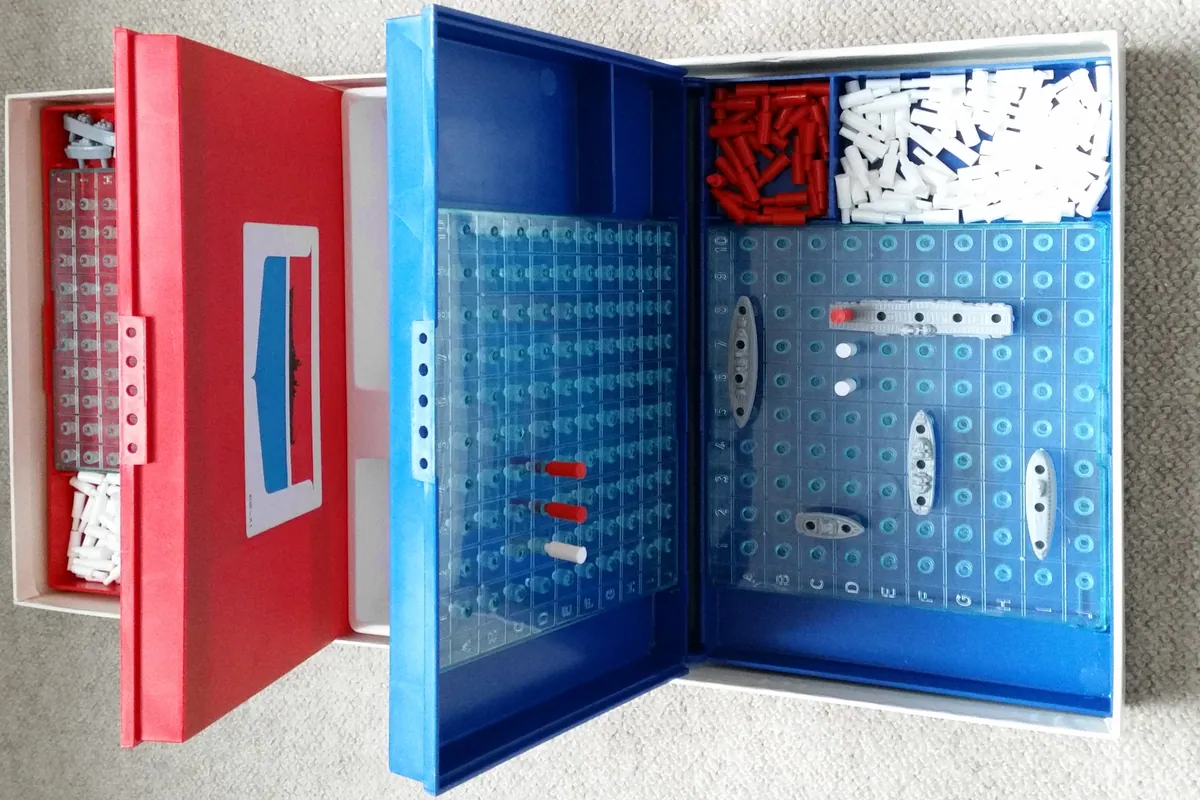 With a friend
Battleship strategy: search patterns and finishing a damaged ship
Learn the Russian ten-ship fleet on a 10×10 grid, no-touch placement, targeted follow-up shots and the limits of checkerboard searches.
Read With a friend
How to play Reversi: corners, mobility and flipping discs
Learn modern 8×8 Reversi rules, its relationship with Othello and practical ideas for corners, mobility and safer moves.
Read With a friend
How to play mancala: Kalah, extra turns and captures
Learn Kalah rules, distinguish it from the wider mancala family and work through extra turns, sowing and captures.
Read With a friend
How to solve chess puzzles: checks, captures and threats
A practical method for chess puzzles: choose candidates, calculate the strongest defence and understand a king-and-queen knight fork.
Read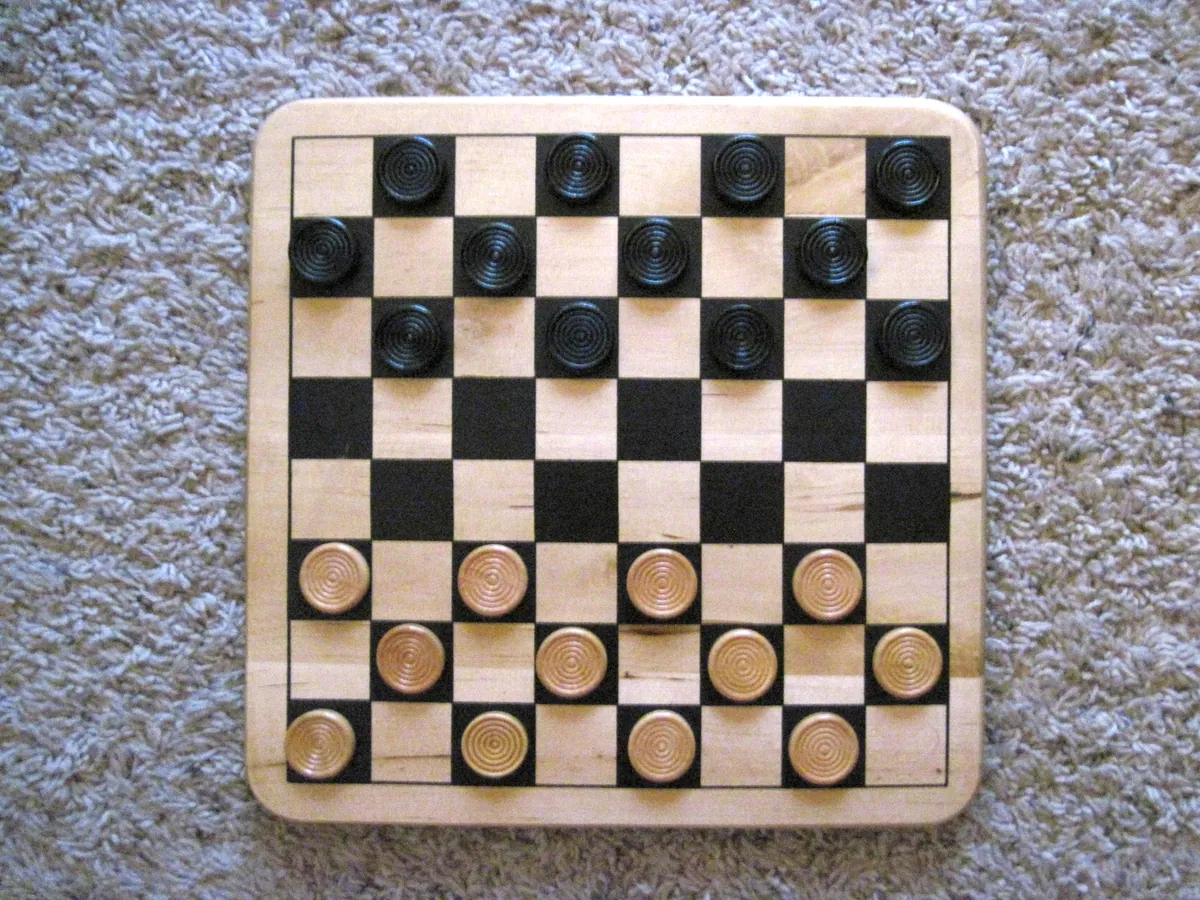 With a friend
How to play Russian draughts: captures, kings and combinations
Learn Russian and casual draughts in Rich Games, including backward captures, complete capture chains and tactical sacrifices.
Read